Gozo, along with its smaller sister island Comino, stands as a crucial waypoint in one of nature’s most awe-inspiring spectacles: the annual migration of millions of birds. Positioned strategically in the central Mediterranean, these islands serve as vital stepping stones for species traversing between their European breeding grounds and African wintering habitats. Far from being mere tourist destinations, Gozo and Comino are ecological lighthouses, their landscapes offering a temporary sanctuary to weary travellers of the sky. Understanding the rhythms of this seasonal wildlife and, critically, the imperative to protect it from hunting, is fundamental to appreciating the true ecological significance of these islands.
Gozo and Comino: A Migratory Crossroads
The Maltese archipelago’s unique geographical location makes it an indispensable stopover point. Birds embarking on epic journeys across the Mediterranean Sea often find Gozo and Comino to be their first or last landmass for hundreds of kilometres, offering a desperately needed opportunity to rest and refuel. This makes the islands exceptionally vulnerable to human impact, particularly during the peak migration periods.
Spring Migration: A Burst of Life
As winter loosens its grip, typically from late February through May, the skies above Gozo and Comino become a vibrant highway. This is the spring migration, a period of immense biological urgency as birds rush northwards to breed. Raptors like the magnificent Honey Buzzard (Pernis apivorus) and various species of harriers, including the Marsh Harrier (Circus aeruginosus), can be seen soaring overhead, riding thermals. Smaller, but no less significant, are the countless songbirds: warblers (such as the Willow Warbler and Sardinian Warbler), flycatchers, and pipits. Each bird carries the genetic imperative to reproduce, and their safe passage through the Maltese islands is critical for the success of their species. The sight of these birds, often exhausted and vulnerable, underscores the preciousness of their journey.
A species of particular concern during spring is the European Turtle Dove (Streptopelia turtur). Once a common sight across Europe, its populations have plummeted dramatically, leading to its classification as 'Vulnerable' globally. For these doves, Gozo and Comino represent a crucial rest stop before continuing their arduous journey. Protecting them during this vulnerable phase is paramount to their survival.
Autumn Migration: The Return Journey
The reverse journey unfolds from late August to November. The autumn migration sees birds, often accompanied by their newly fledged young, heading south towards warmer climes. This period can be equally spectacular, with different species making their appearance. Swallows and martins gather in vast numbers, while raptors like the Eleonora's Falcon (Falco eleonorae) and various falcons and kestrels pass through. Waders, such as sandpipers and plovers, frequent the few coastal wetlands and salt pans. For many of these birds, autumn migration is a test of endurance for young birds experiencing their first long journey, making safe passage through Gozo and Comino equally vital for their survival into adulthood.
Resident Species and Unique Habitats
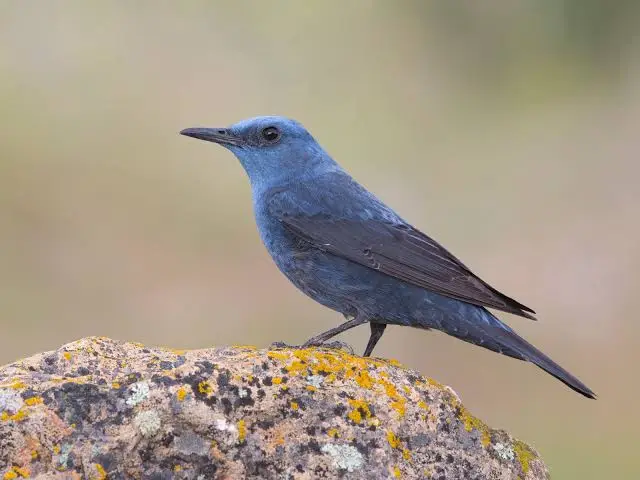
Beyond the migratory spectacle, Gozo and Comino also host a variety of resident bird species that have adapted to the islands' unique Mediterranean habitats. The iconic Blue Rock Thrush (Monticola solitarius), Malta's national bird, is a year-round resident, often seen perched on rocky outcrops and cliffs. The garrigue, with its aromatic shrubs, provides shelter for the Sardinian Warbler (Sylvia melanocephala) and the Cetti's Warbler (Cettia cetti). The dramatic cliffs and surrounding waters are also home to significant colonies of seabirds, including the globally important Scopoli's Shearwater (Calonectris diomedea) and the Yelkouan Shearwater (Puffinus yelkouan), which nest in crevices and caves along the coastline. These species, too, face threats and require dedicated conservation efforts.
The islands’ distinct ecosystems – from the coastal garrigue and maquis to the sparse agricultural valleys – support not only birds but also a delicate web of other wildlife, including endemic plants, reptiles like the Maltese Wall Lizard, and a diverse insect population. Each component plays a role in the health and resilience of Gozo’s natural heritage.
The Imperative to Protect: More Than Just Birds
The call to protect Gozo’s seasonal and resident wildlife is not merely an aesthetic preference; it is an ecological necessity and an ethical responsibility. The threats are manifold, but none are as direct and devastating as unsustainable and illegal hunting.
Ecological Balance and Biodiversity
Every species plays a role in the intricate tapestry of an ecosystem. Migratory birds, for instance, are vital for seed dispersal, pollination, and insect control across vast geographical areas. The loss of even a single species can have cascading effects, disrupting ecological balance. Protecting these birds means safeguarding the health of the broader environment, both locally on Gozo and along their entire migratory flyway. Biodiversity is the cornerstone of a healthy planet, and Gozo’s role in supporting it is disproportionately large for its size.
Malta's Hunting Legacy and Conservation Challenges
Hunting has a long and deeply entrenched history in Malta and Gozo, traditionally seen as a cultural pastime. However, modern conservation science and international agreements have highlighted the unsustainable nature of certain practices, particularly the hunting of protected species and spring hunting. Malta, as an EU member state, is bound by the Birds Directive, which mandates strict protection for wild bird species. Despite this, illegal hunting and trapping persist, often targeting vulnerable migratory birds and even resident protected species. This includes the use of illegal bird callers, trapping nets, and shooting birds of prey.
The controversy surrounding spring hunting, specifically for Turtle Dove and Quail, remains a contentious issue. While regulated, the pressure on already declining populations of species like the Turtle Dove during their critical breeding migration phase is immense. The argument for protection is clear: these birds are exhausted, often underweight, and desperately need to conserve energy for breeding. Shooting them at this point not only reduces their numbers directly but also removes individuals essential for the next generation.
Conservation efforts, led by local NGOs and supported by international bodies, constantly strive to monitor and combat illegal activities. The challenge lies in changing deeply ingrained cultural attitudes and ensuring robust enforcement of existing laws. It is a complex issue that requires dialogue, education, and unwavering commitment to conservation principles.
Economic and Cultural Value of Wildlife
Beyond their ecological importance, Gozo’s wildlife holds significant economic and cultural value. The growing interest in ecotourism, particularly birdwatching, presents an alternative, sustainable model for engaging with nature. Visitors from around the world are drawn to Gozo specifically to witness the migration spectacle, contributing to the local economy without depleting natural resources. Furthermore, the presence of diverse and thriving wildlife enriches Gozo's unique identity and heritage, fostering a sense of pride and connection to the natural world for its residents.
The Ethical Stance: A Call for Respect
Ultimately, the argument against hunting migratory and protected birds on Gozo and Comino rests on a fundamental ethical principle: respect for life. These birds are not merely resources; they are sentient beings undertaking incredible journeys, contributing beauty and vitality to our world. To offer them safe passage, a place of rest, and an opportunity to thrive is a moral imperative. It is a recognition of our shared planet and our responsibility as stewards of its biodiversity.
Engaging with Gozo's Wildlife Responsibly
For those who wish to experience Gozo's seasonal wildlife, responsible engagement is key. Birdwatching, photography, and simply observing from a respectful distance are wonderful ways to connect with nature without causing disturbance. Binoculars and a good field guide are invaluable tools. If you witness any suspected illegal hunting or trapping, it is crucial to report it to the authorities (e.g., the police or relevant environmental agencies). Supporting local conservation organisations also plays a vital role in protecting these precious species.
Gozo and Comino are more than just islands; they are a sanctuary, a critical link in the global chain of life. The seasonal passage of birds through their skies is a powerful reminder of our interconnectedness with the natural world. By choosing protection over exploitation, and by fostering a culture of respect and conservation, we ensure that these islands continue to fulfil their vital role, allowing future generations to marvel at the wonder of wings over Gozo.