
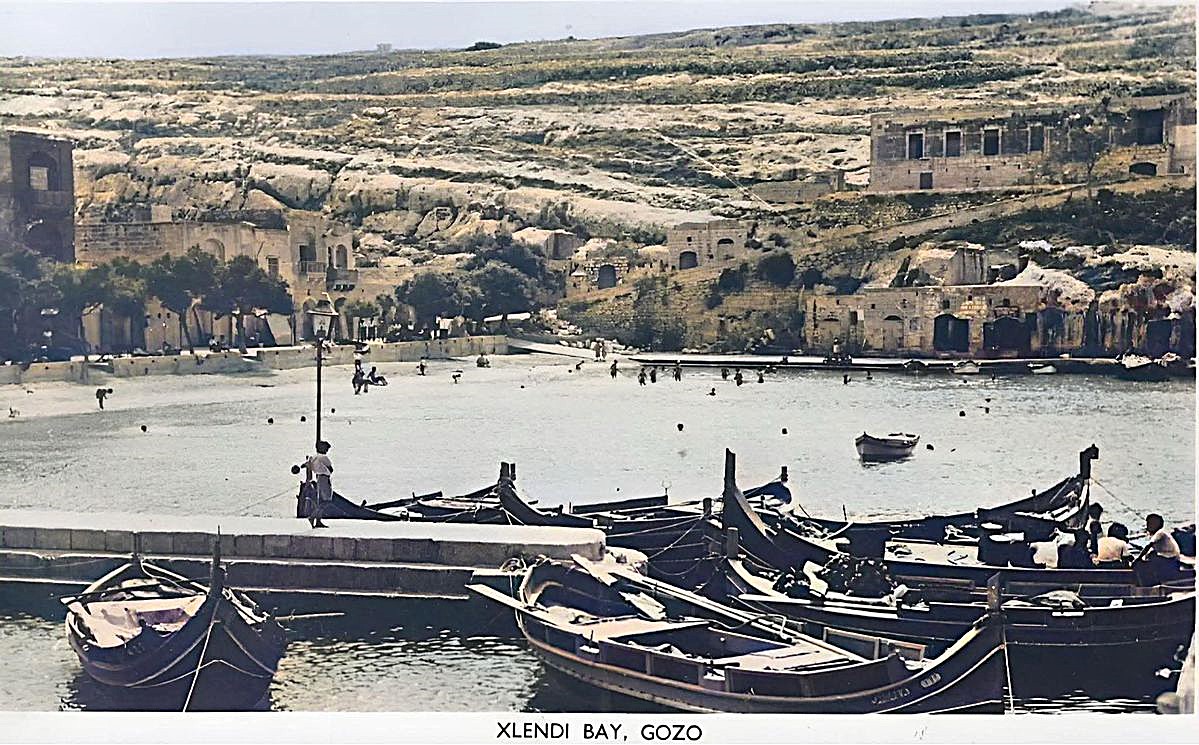
For decades, Gozo existed in the collective imagination as Malta’s tranquil sister island – a place where time moved slower, where ancient traditions held sway, and where the rugged, sun-baked landscape dominated the horizon. Its villages, built of honey-coloured limestone, seemed to grow organically from the earth, their church domes punctuating a largely untouched rural canvas. This was the Gozo of postcards, of quiet retreats, of a close-knit community deeply connected to its land and sea.
But this idyllic vision, while still clung to by many, is rapidly fading, giving way to a new reality: an island grappling with the pressures of overpopulation, relentless construction, and the **irreversible erosion** of its natural beauty and distinctive character. Gozo is undergoing a profound transformation, a journey from a serene, low-density haven to an increasingly urbanised and crowded landscape, a change that provokes both economic opportunity and deep-seated concern.
The Island That Time Forgot
Until relatively recently, Gozo’s development trajectory diverged significantly from that of its larger neighbour, Malta. Its isolation, limited resources, and smaller population meant that large-scale industrialisation and extensive urban sprawl were largely absent. Life revolved around agriculture, fishing, and traditional crafts. Villages like Għarb, Xagħra, and Kerċem retained their authentic charm, characterised by narrow winding streets, traditional farmhouses with large courtyards, and expansive fields of carob trees, olive groves, and grapevines.
Population growth was modest, often offset by emigration, preserving a sense of spaciousness and a strong community bond. The island’s natural heritage—its dramatic cliffs, hidden coves, and diverse garrigue—was not just scenery; it was an integral part of daily life and the island’s very identity. This was a Gozo where the rhythm of the seasons dictated activity, where silence was a common companion, and where the night sky was **truly dark**.
Seeds of Change: The Lure of the Modern
The seeds of change were sown gradually. Post-World War II, improvements in infrastructure, particularly ferry services connecting Gozo to Malta, began to chip away at its isolation. The nascent tourism industry, initially catering to Maltese weekenders and a trickle of foreign visitors seeking an 'unspoilt' Mediterranean experience, introduced new economic possibilities. Small guesthouses and family-run restaurants emerged, often integrated into existing village structures.
However, it was the turn of the millennium, and particularly Malta’s accession to the European Union in 2004, that truly accelerated the pace of transformation. Increased connectivity, greater access to funding, and a surge in foreign interest – both for tourism and residency – unleashed unprecedented development pressures. The once-slow trickle became a torrent, challenging the very fabric of Gozo’s traditional existence.
The Accelerated Shift: Drivers of Development
Today, Gozo finds itself at a critical juncture, caught between the desire for economic prosperity and the imperative of preserving its unique heritage. The drivers of its rapid transformation are multifaceted. A booming tourism industry demands more accommodation, from boutique hotels to sprawling resorts. Foreign investment, attracted by Gozo’s perceived charm and relatively lower property prices compared to Malta, fuels a relentless demand for new residential units, often as second homes or rental properties.
Simultaneously, a growing local population, coupled with an influx of foreign workers and residents, places immense pressure on the housing market and existing infrastructure. This confluence of factors has created a **perfect storm** for development.
The Building Boom: Concrete Over Stone
The **most visible manifestation** of this transformation is the dramatic proliferation of construction. What were once open fields or traditional gardens are now sites for multi-storey apartment blocks, often starkly modern and out of character with their surroundings. Historic farmhouses, once lovingly restored, are increasingly being demolished to make way for larger, more profitable developments. Even within the established village cores, the drive to maximise plot potential leads to the construction of additional floors, altering skylines and overshadowing traditional architecture.
Areas like Marsalforn and Xlendi, once quaint fishing villages, have become dense clusters of apartments and hotels, their seafronts dominated by concrete structures. Victoria, Gozo’s capital, is also experiencing significant infill development, with traditional townhouses giving way to larger commercial and residential complexes. The very aesthetic that drew people to Gozo – its harmonious blend of natural landscape and traditional built environment – is being systematically eroded, replaced by a generic, often incongruous, urban sprawl.
Population Pressures and Infrastructure Strain
This surge in building is directly linked to a significant increase in Gozo’s resident population, both permanent and transient. While official census figures might not always capture the full picture of seasonal residents and foreign workers, the anecdotal evidence is clear: Gozo is feeling crowded. Traffic congestion, once a rarity outside Victoria, is now a common occurrence, particularly during peak seasons and weekends. Parking, especially in popular coastal towns, has become a **perennial headache**.
The island’s limited resources, particularly water and waste management, are under increasing strain. The peaceful, easy pace of life that defined Gozo is being replaced by the hustle and bustle more commonly associated with larger, more urbanised areas, challenging the very quality of life for long-term residents.
The Vanishing Green: Loss of Natural and Agricultural Land
Perhaps the **most poignant loss** in Gozo’s transformation is the rapid disappearance of its natural and agricultural land. Open spaces, crucial for biodiversity and the island’s rural character, are being concreted over at an alarming rate. Agricultural fields, often painstakingly worked for generations, are deemed more valuable as building plots. This loss not only diminishes Gozo’s scenic beauty but also impacts its ecological balance, reducing habitats for native flora and fauna.
The garigue, maquis, and fertile valleys—ecosystems that define much of Gozo’s unique landscape—are shrinking, fragmented by new roads and developments. The promise of sustainable tourism often rings hollow when the very environment it seeks to showcase is being systematically destroyed. This relentless encroachment on green spaces represents an **irreversible alteration** of Gozo’s natural heritage, a legacy that once distinguished it so profoundly.
The Price of Progress: A Shifting Identity
Beyond the physical changes, Gozo’s rapid transformation is having a **profound impact** on its social fabric and cultural identity. The influx of new residents, while bringing diversity, also challenges the close-knit community structures that have long defined Gozitan life. Traditional ways of life, once intrinsically linked to the land and sea, are being supplanted by a more urbanised, consumer-driven culture. The sense of ‘Gozo-ness’ – a unique blend of resilience, tradition, and community spirit – feels increasingly diluted.
While economic growth undeniably brings benefits, such as job creation and improved amenities, it often comes at the cost of intangible cultural values and a sense of belonging for those who remember a different Gozo. The question arises: in its pursuit of modernity, is Gozo **losing its soul**?
Seeking a Sustainable Future: A Call for Deliberation
The challenges facing Gozo are immense, yet the conversation around its future is far from over. There is a growing awareness, both locally and internationally, of the need for more sustainable development practices. Calls for stricter planning regulations, more effective enforcement, and a greater emphasis on preserving Gozo’s remaining natural and built heritage are becoming louder. The debate often centres on finding a **delicate balance**: how can Gozo foster economic growth and provide opportunities for its residents without sacrificing the very qualities that make it special? This requires a collective effort, involving policymakers, developers, residents, and visitors, to envision a future where Gozo can thrive without losing its distinctive character. The island’s unique allure lies not in generic urbanisation, but in its authentic charm, its history, and its breathtaking natural environment. Protecting these assets is not just an aesthetic choice; it is an investment in Gozo’s long-term prosperity and its identity.
Conclusion
Gozo’s transformation is a microcosm of a global dilemma: the tension between development and preservation. From a quiet, historic island with a sparse population, it has evolved into a place grappling with the consequences of rapid growth and unchecked construction. The charm that once defined it is now under siege, its natural landscapes shrinking, its traditional architecture giving way to the new. The challenge for Gozo, and for all who cherish it, is to learn from the past and present, to forge a path that allows for progress without irrevocably sacrificing the **very essence** of what makes Gozo, Gozo.